
1. Magnesium lactate specification
| Material | L – Magnesium Lactate |
| CAS No. | 179308-96-4 (Dihydrate) |
| Chemical Formula | C6H10MgO6 |
| Molecular Weight | 238.5 (Dihydrate) |
| Apperance | White Powder |
| Identification | Pass A, B |
| Package | 25kg/bag |
| Assay (C6H10MgO6) | 98.0-102.0% |
| Loss on drying | 14.0-17.0% |
| pH | 6.5-8.5 |
| Sulfate | ≤ 0.04 % |
| Chloride | ≤ 0.02 % |
| Iron | ≤ 50 ppm |
2. Introduction of magnesium lactate
Magnesium lactate is a magnesium salt of lactic acid, widely used in the food, dietary supplement, and nutraceutical industries due to its excellent bioavailability and mild taste. As a food-grade ingredient, it serves as a magnesium fortifier, pH regulator, and stabilizer in various products.
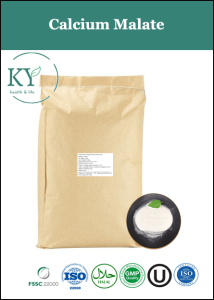
2.1. General Characteristics
-
Chemical Name: Magnesium lactate
-
CAS Number: 18917-93-6 (anhydrous), 179308-96-4 (dihydrate)
-
Molecular Formula: C₆H₁₀MgO₆ (anhydrous), C₆H₁₀MgO₆·2H₂O (dihydrate)
-
Appearance: White or off-white crystalline powder
-
Solubility: Highly soluble in water, slightly soluble in ethanol
-
Odor & Taste: Odorless with a slightly bitter or neutral taste
2.2. Physical & Chemical Properties
-
Melting Point: Decomposes before melting
-
pH (in solution): ~6.0–8.0 (mildly acidic to neutral)
-
Hygroscopicity: Moderately hygroscopic (should be stored in a dry environment)
-
Stability: Stable under normal conditions but may degrade under extreme heat or pH
3. Applications of magnesium lactate in Food and Nutraceuticals
3.1. Food Industry
-
Mineral Fortification: Added to beverages, dairy products, and baked goods to enhance magnesium content.
-
Acidity Regulator: Used in processed foods to adjust pH and improve texture.
-
Preservative & Stabilizer: Extends shelf life in certain food products.
3.2. Dietary Supplements & Nutraceuticals
-
Magnesium Supplement: Provides a highly bioavailable form of magnesium, supporting muscle function, nerve transmission, and bone health.
-
Sports Nutrition: Included in electrolyte drinks and recovery formulations to prevent cramps and fatigue.
-
Functional Foods: Incorporated into health-focused products like fortified cereals, energy bars, and meal replacements.
4. Advantages Over Other Magnesium Salts
-
Better Absorption: Compared to magnesium oxide, it has higher bioavailability.
-
Gentle on Stomach: Less likely to cause digestive discomfort than magnesium citrate or sulfate.
-
Neutral Taste: Suitable for flavor-sensitive applications.
5. Safety & Regulatory Status
Magnesium lactate is generally recognized as safe (GRAS) by the FDA and approved for use in food and supplements in many countries, including the EU (E329) and the US.
Food-grade magnesium lactate is a versatile and effective magnesium source widely used in functional foods, supplements, and processed products. Its excellent solubility, bioavailability, and mild taste make it a preferred choice for manufacturers aiming to enhance nutritional profiles without compromising product quality.
Link: View product list of Kangyo