
1. Introduction
Calcium ascorbate is a mineral salt of ascorbic acid (vitamin C) and calcium. It is widely used as a dietary supplement due to its neutral pH, making it gentler on the stomach compared to regular ascorbic acid.
It (C₁₂H₁₄CaO₁₂) is a calcium salt of ascorbic acid (vitamin C). It is a buffered, non-acidic form of vitamin C that combines the antioxidant properties of ascorbate with the essential mineral calcium. This compound is widely used in dietary supplements, food fortification, and pharmaceutical applications due to its stability, bioavailability, and gentle effects on the stomach.
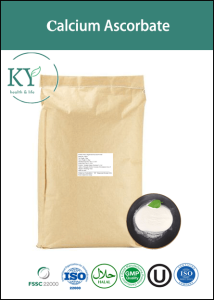
Chemical Structure and Properties
Molecular Formula:C₁₂H₁₄CaO₁₂
Molar Mass:390.31 g/mol
CAS:5743-28-2
Appearance:
- White to slightly yellowish crystalline powder
- Odorless
- Water-soluble
pH Level:
- Neutral (~6.5–7.5), unlike acidic ascorbic acid (pH ~2.5)
Solubility:
- Highly soluble in water
- Slightly soluble in alcohol
- Insoluble in organic solvents like ether
-
Synonyms Calcium L-Ascorbate Dihydrate CAS No. 5743-28-2 Chemical formula C12H14CaO12·2H2O Molecular Weight 426.34 Description White powder Package 25kg/bag According USP Assay 98.0-101.0% Optical Rotation +95° – +97° pH 6.8-7.4 Fluoride ≤10 ppm Arsenic ≤3 ppm Loss on drying ≤0.1%
2.What Is Calcium Ascorbate?
It is a buffered form of vitamin C, combining ascorbic acid with calcium. This compound provides both vitamin C and calcium in a single supplement, making it an excellent choice for individuals seeking immune support and bone health benefits.
Key Properties:
Non-acidic (pH-neutral)
Highly bioavailable
Gentle on the digestive system
Provides both vitamin C and calcium
3.Health Benefits of Calcium Ascorbate
3.1 Boosts Immune System
Vitamin C is a powerful antioxidant that enhances immune function by supporting white blood cell production and protecting against oxidative stress. It ensures efficient vitamin C absorption without causing stomach irritation.
3.2 Supports Bone Health
Calcium is essential for maintaining strong bones and teeth. Since it contains both calcium and vitamin C, it helps in collagen formation, which is crucial for bone density and joint health.
3.3 Enhances Antioxidant Protection
As an antioxidant, It neutralizes free radicals, reducing oxidative damage linked to chronic diseases, aging, and inflammation.
3.4 Improves Iron Absorption
Vitamin C enhances non-heme iron (plant-based iron) absorption, making calcium ascorbate beneficial for individuals with iron deficiency or anemia.
3.5 Gentle on the Stomach
Unlike regular ascorbic acid, calcium ascorbate is less acidic, reducing the risk of gastrointestinal discomfort, making it ideal for people with sensitive stomachs.
4.Uses of Calcium Ascorbate
Dietary Supplement: Used to prevent vitamin C and calcium deficiencies.
Food Preservation: Acts as an antioxidant in processed foods.
Skincare: Included in formulations for its antioxidant and collagen-boosting effects.
Immune Support: Commonly taken during cold and flu season.
5.Potential Side Effects
Calcium ascorbate is generally safe, but excessive intake may lead to:
Mild digestive discomfort
Kidney stones (in rare cases with high calcium intake)
Hypercalcemia (excess calcium in the blood)
Always consult a healthcare provider before starting any new supplement regimen.
Dosage Recommendations
6. The recommended daily intake varies based on age and health needs:
Adults: 500–1000 mg of calcium ascorbate per day (providing ~450–900 mg vitamin C and ~50–100 mg calcium).
Children: Consult a pediatrician for appropriate dosing.
Calcium ascorbate is a highly beneficial form of vitamin C that offers immune support, bone health benefits, and antioxidant protection without causing stomach irritation. Whether you’re looking to boost your immunity or improve calcium intake, calcium ascorbate is an excellent choice.