
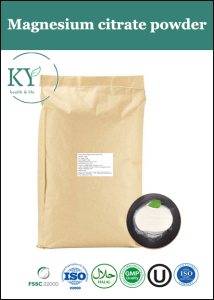
Magnesium citrate is a widely used compound that combines magnesium, an essential mineral, with citric acid, a weak organic acid found in citrus fruits. It is commonly utilized as a dietary supplement to address magnesium deficiency and as a laxative to relieve constipation. Magnesium citrate can be classified based on its form, usage, and chemical properties.
1. Classification Based on Physical Form
it is available in different physical forms, each suited for specific applications:
- Powder Form: Magnesium citrate in powder form is a fine, white substance that dissolves easily in water. It is often used in dietary supplements and pharmaceutical preparations. The powder form is convenient for adjusting dosage and is commonly mixed into beverages or food.
- Granular Form: Granular magnesium citrate consists of small, coarse particles. This form is often used in industrial applications or as a raw material for manufacturing tablets or capsules. It is less prone to clumping compared to powder, making it easier to handle.
- Liquid Form: It is also available as a clear, flavored liquid solution. This form is commonly used as an over-the-counter laxative. It is pre-dissolved and ready for consumption, making it a popular choice for quick relief from constipation.
- Tablet or Capsule Form: It is frequently encapsulated or compressed into tablets for oral consumption. This form is convenient for daily supplementation and ensures precise dosing.
2. Classification Based on Usage
- Dietary Supplement: Magnesium citrate is widely used as a dietary supplement to address magnesium deficiency. Magnesium is essential for numerous bodily functions, including muscle and nerve function, bone health, and energy production. The citrate form is highly bioavailable, meaning it is easily absorbed by the body.
- Laxative: Magnesium citrate is a common ingredient in osmotic laxatives. It works by drawing water into the intestines, softening stool, and stimulating bowel movements. This makes it effective for treating occasional constipation or for bowel preparation before medical procedures.
- Food Additive: In the food industry, it is used as a stabilizer, pH regulator, or fortifying agent. It is added to beverages, dairy products, and processed foods to enhance nutritional value or improve texture.
- Medical Applications: In medical settings, it is used to manage conditions such as hypomagnesemia (low magnesium levels) or to prevent magnesium deficiency in patients with certain gastrointestinal disorders that impair nutrient absorption.
3. Classification Based on Chemical Properties
- Anhydrous Magnesium Citrate: This form does not contain water molecules in its chemical structure. It is often used in powdered supplements and pharmaceutical formulations due to its stability and long shelf life.
- Hydrated Magnesium Citrate: Hydrated magnesium citrate contains water molecules as part of its chemical structure. This form is commonly found in liquid solutions and is preferred for its solubility and rapid absorption.
- Buffered Magnesium Citrate: Buffered material is formulated to reduce acidity, making it gentler on the stomach. This form is ideal for individuals with sensitive digestive systems who require magnesium supplementation.
4. Classification Based on Purity and Grade
- Pharmaceutical Grade: This grade meets strict quality standards and is used in medications and supplements. It is highly purified and free from contaminants, ensuring safety and efficacy.
- Food Grade: Food-grade magnesium citrate is safe for human consumption and is used in food products and beverages. It adheres to food safety regulations and is free from harmful impurities.
- Industrial Grade: Industrial-grade magnesium citrate is used in non-food applications, such as in the production of cosmetics, cleaning agents, or chemical processes. It may contain impurities and is not suitable for consumption.
Magnesium citrate is a versatile compound with diverse applications in health, medicine, and industry. Its classification based on physical form, usage, chemical properties, and purity highlights its adaptability and importance. Whether as a dietary supplement, laxative, or food additive, it plays a vital role in supporting human health and well-being. Understanding its various classifications can help consumers and professionals choose the most appropriate form for their specific needs.